 It is often joked that if you’ve visited one assisted living community, you’ve seen one assisted living community. Assisted living varies from state to state and even from community to community—and that’s one of the many reasons it is so popular among residents and their families. That diversity and flexibility, while a strength, also means there is no single operating model or regulatory framework that applies everywhere. As a result, assisted living community leaders across the country benefit from strong support, practical resources, targeted education and training, and a trusted national voice to advance their work and impact.
In 1995, the American Health Care Association (AHCA) saw this opportunity and responded with the establishment of the National Center for Assisted Living (NCAL), which has grown stronger as a beacon for assisted living providers.
Pat Giorgio, president and CEO of Iowa-based Evergreen Estates, said, “Working with the American Health Care Association was our best partnership to bring united voices to represent providers and consumers and be an advocate in Washington, D.C. AHCA was clearly the strongest voice for nursing homes, and to align assisted living with them made perfect sense.”
Sarah Silva, vice president of operational services at Generations and current NCAL chair, stressed that the resources and best practices provided by NCAL over the years contribute to the organization’s legacy of enhancing senior care quality. “As an operator and provider,” she said, “NCAL has absolutely helped enhance the quality in our communities.”
From a Seedling to a Tree
Like the care sector it represents, NCAL evolved over time. In the 1980s, AHCA created a residential care committee to represent the growing membership in this area. Many of these members were or later became assisted living communities.
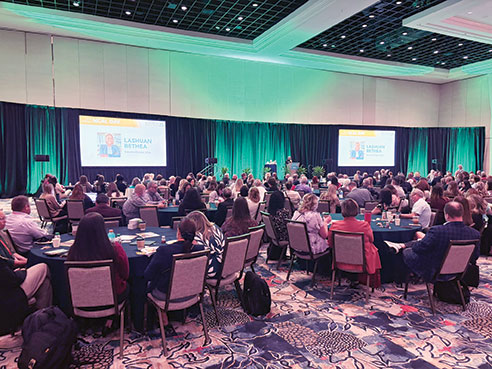 | 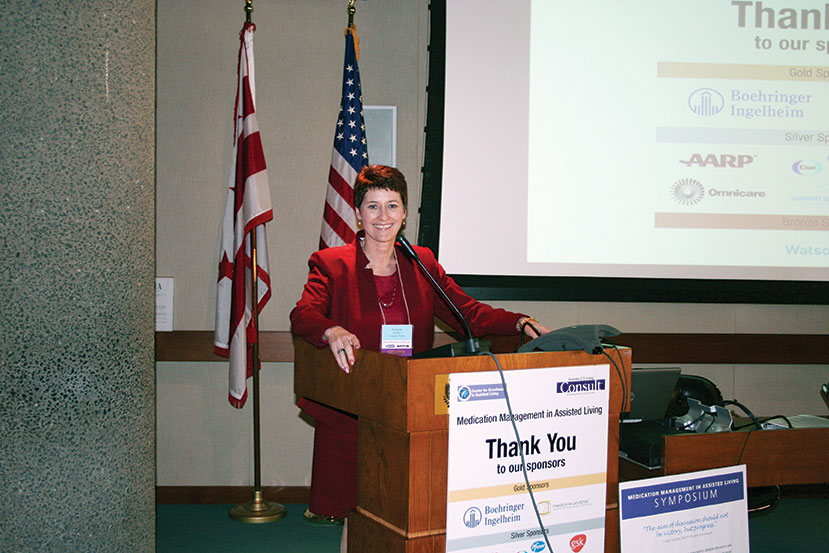 |
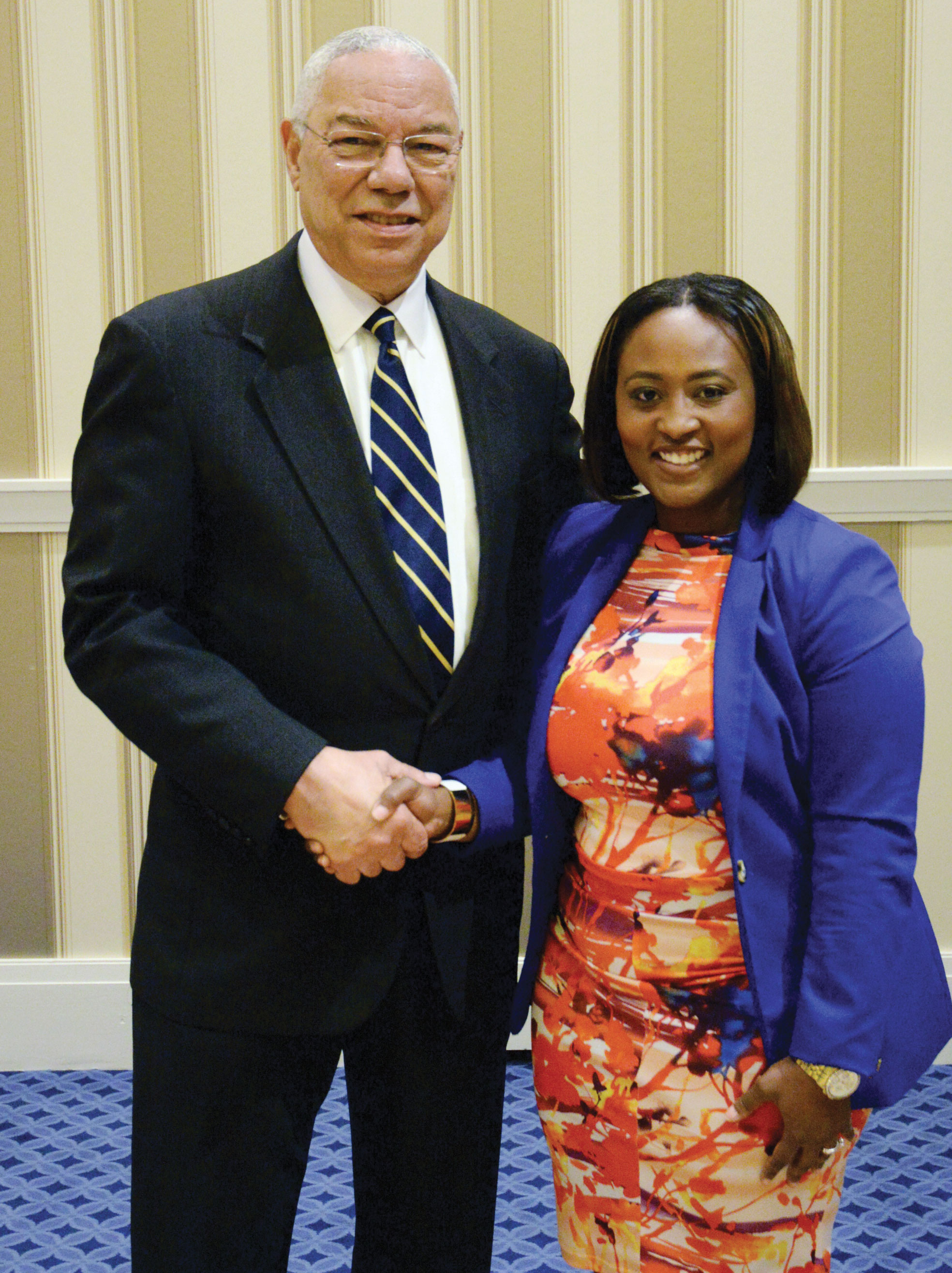
| LaShuan Bethea at the 2025 NCAL Day | Past NCAL Chair Pat Giorgio
|
Between 1995, when it was created, and 1997, NCAL shifted from an initial concept within AHCA into a more defined and active presence, culminating in the organization assuming responsibility for supporting and engaging assisted living members under the NCAL name.
Then, in 2001, NCAL became a full-fledged association, recognized as the assisted living arm of AHCA. The organization’s first bylaws were approved, and Jan Thayer was elected the first chair of the NCAL board of directors.
Jan Thayer, the namesake of NCAL’s Jan Thayer Pioneer Award, was the owner and operator of Riverside Lodge in Grand Island, Neb. She was a renowned leader within not only NCAL, but within the Nebraska affiliate and the entire assisted living profession. Her professional motto was “to deliver the same care that you would provide for your own mother.” Each year, NCAL presents the Jan Thayer Pioneer Award to an individual who has moved the senior care profession forward and demonstrates dedication, leadership, and contributions to the profession—just like Thayer.
Moving with the Evolution
Having an organization to help assisted living communities evolve and adjust as the demographics and needs of residents changed has been exceedingly useful. Giorgio explained, “Back in the early 1990s, it was very evident that we were a social and not a medical model. However, as time went by, we had to respond to market demands and trends.” NCAL, she said, helped providers respond to customers and meet their needs.
 | 
|
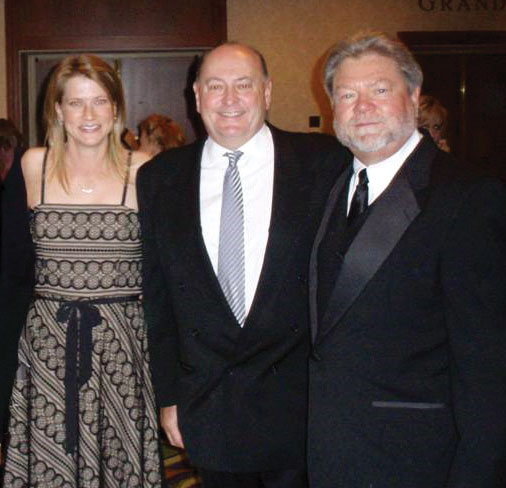
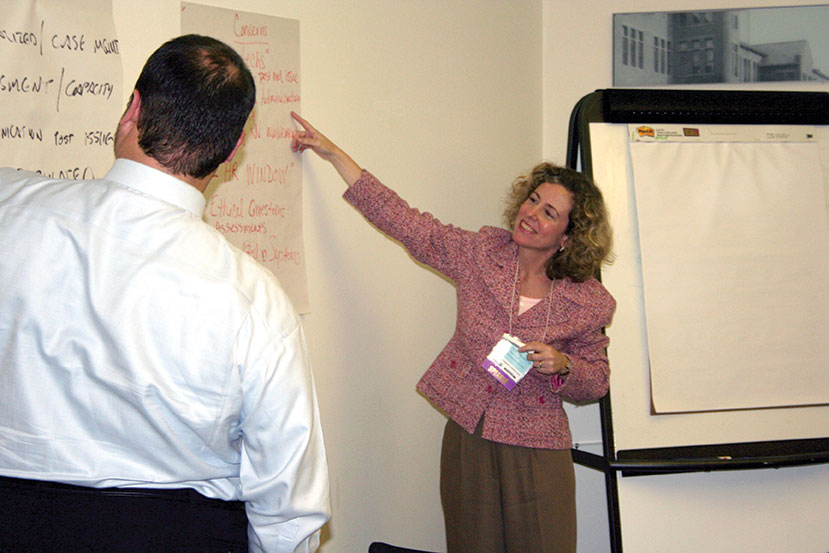
Past NCAL Chairs Nicolette Reilly, Howie Groff,
and Van Moore | Kathy Fiery, NCAL New Jersey Affiliate |
To support providers in this work over the years, NCAL has developed a wide range of education and training resources as the profession evolves. Among the many are customer relations resources, instruction on managing falls, and clinical resources focused on quality improvement and dementia care. The organization also offers resources on data, why it matters in assisted living, and how to start collecting it. Providers can also utilize the association’s education platform, ahcancalED, to access numerous assisted living trainings.
NCAL is especially helpful for smaller providers, Giorgio suggested, as they often don’t have the time or ability to create their own resources. She offered, “Assisted living has been very innovative and embraced changes in technology and consumer needs, and NCAL has been a key part of this.”
Evolving Models of Care
Giorgio added that NCAL also helped create a bridge between nursing homes and assisted living as assisted living communities began to take on more medically complex residents and offer medical services.
Silva agreed, noting, “We still try to be a social model that meets medical needs as we’re able, but individual states have different interpretations of what that means. NCAL has done a great job of keeping up with individual state regulations and providing resources to our state associations.”
| 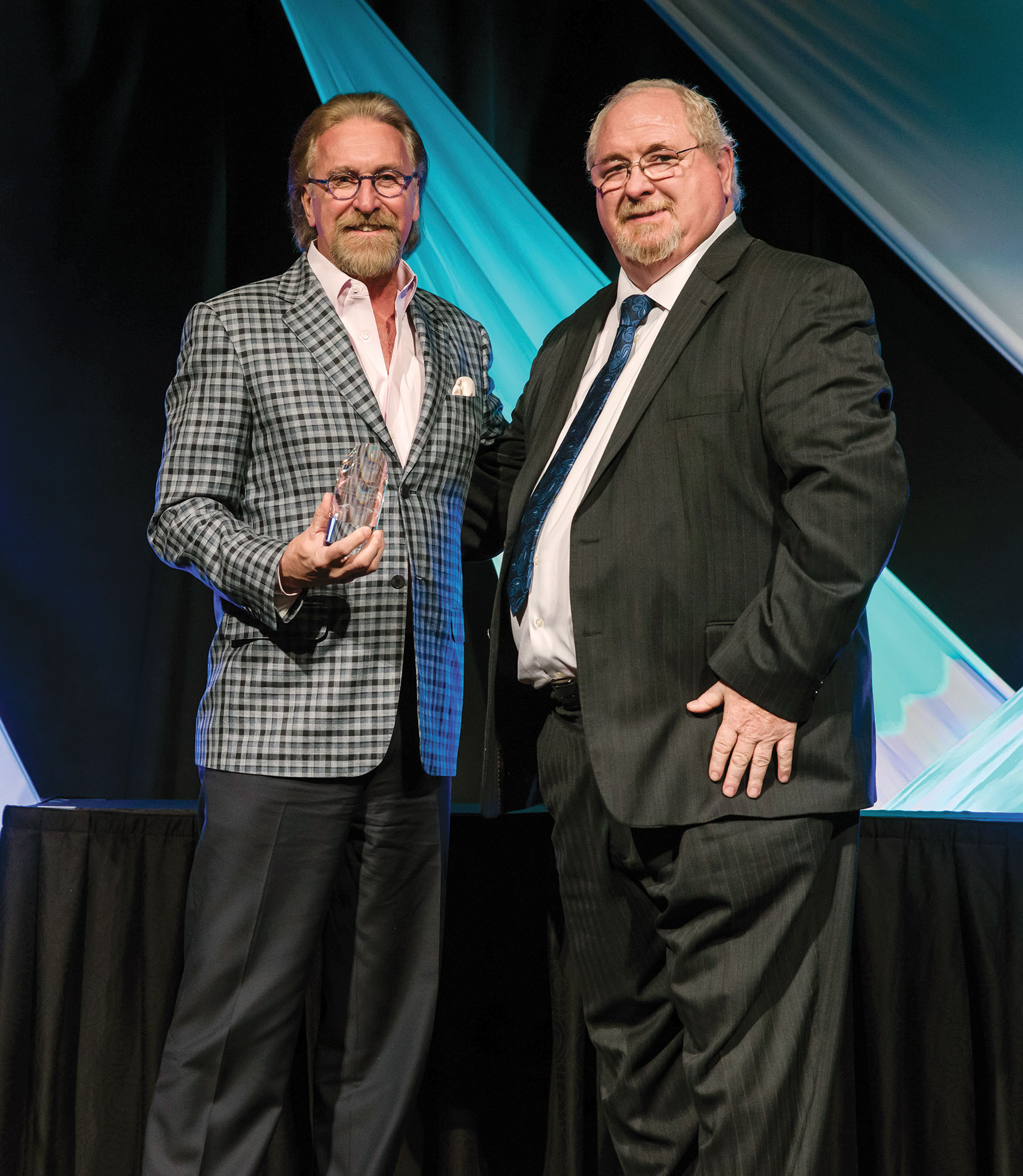 |
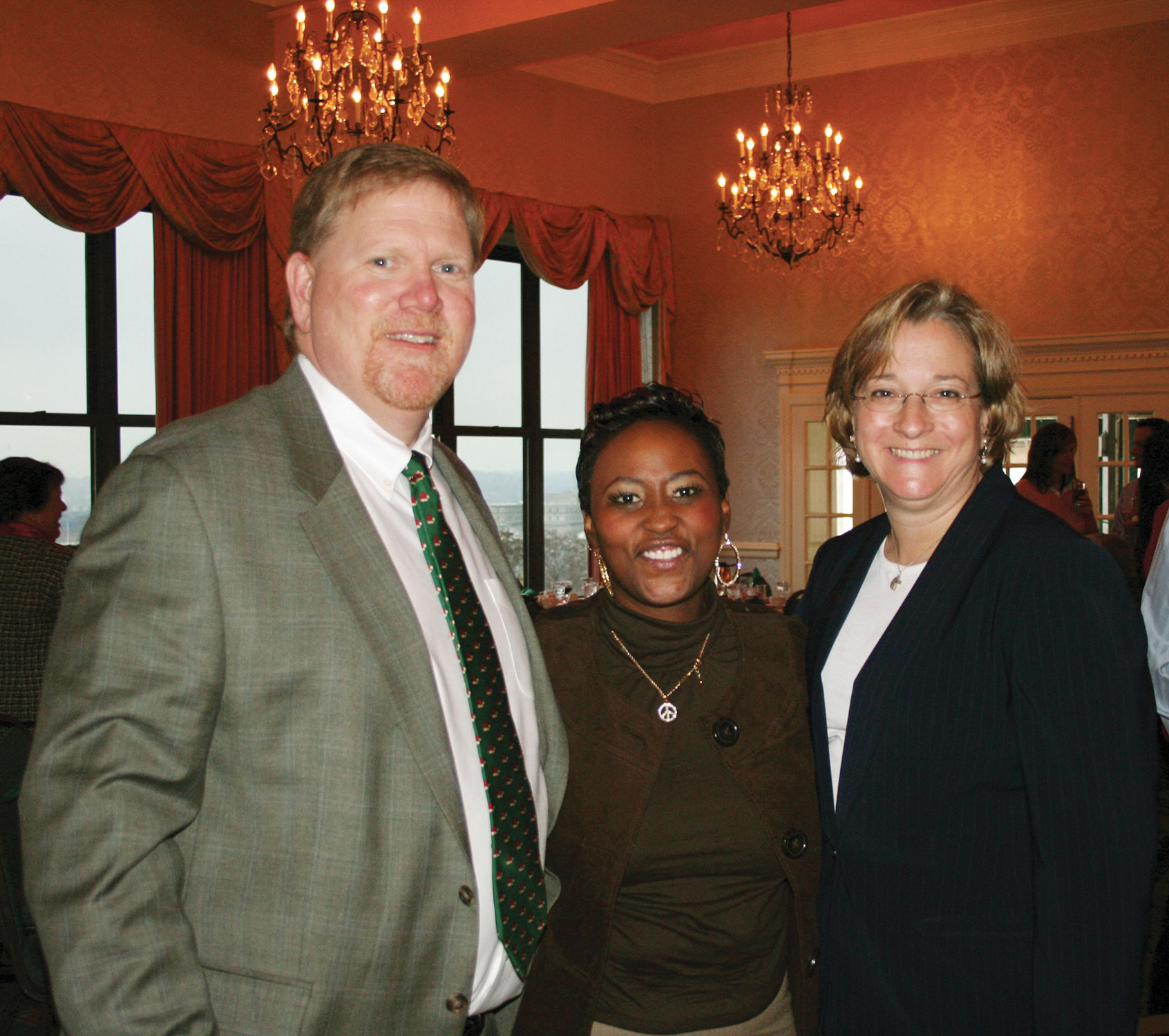
Former NCAL Staff David Kyllo, Martece Yates,
and Shelley Wagar | Past NCAL Chairs Robert Van Dyk (left)
and Chris Mason |
NCAL always has its finger on the pulse of trends and developments, she said, with an eye on what practices and initiatives work well as the assisted living model evolves. “This is a lot to stay on top of, and it takes a national association like NCAL to do it,” Silva said.
Howard Groff, president of Minnesota-based Tealwood Senior Living, said, “[Former NCAL board chair] Chris Mason used to say that assisted living is a social model with a medical conscience. Over time, we’ve become more of a medical model with a social conscience. The medical service escalation has really ramped up over the years, and NCAL has supported that evolution.”
To support members in their efforts to monitor and track state regulations, NCAL created the Regulatory Resource Center, which includes the NCAL State Regulatory Review and resources on affordable assisted living, a state bill tracker, state assisted living survey data, and associated state regulations. All these resources are intended to easily help members stay informed on changing state regulations and take action on important issues affecting the profession.
Gerald Hamilton, owner and operator of BeeHive Homes, said, “NCAL has adapted well to our profession as it’s evolved. We’ve been responding well to the changing needs of our residents, and NCAL has done a great job of supporting us and pivoting with us—providing both advocacy and resources.”
A Structure to Support the Future
Aligned with the development of NCAL’s bylaws, a formal governance structure was also established. At its center is a stand-alone board of directors composed of representatives from states across the federation. As a federation of state‑affiliated associations, NCAL recognized the need for a leadership development program that would equip leaders in each affiliated state to broaden their leadership capacity and engage more deeply in advocacy, quality initiatives, and strategic priorities—an effort embodied in the NCAL State Leader Program. Reflecting the diversity of the states NCAL represents, NCAL’s governance structure was intentionally designed to cultivate and support the next generation of leaders, ensuring a strong and sustainable leadership pipeline for the future.
Guiding Principles
Groff recalled, “In the beginning, we started talking about what kind of guardrails we needed to put in place for a sector that varied widely from state to state, but we agreed that we didn’t want to become overscrutinized or overregulated.”
He said they also had to tread lightly so as not to blur the lines with the skilled nursing sector or step on its toes. With NCAL’s help, he said, “it was interesting watching the transition of skilled nursing–assisted living relationships to complementary and realizing that many providers operated both assisted living communities and nursing homes, often on the same campus or even in attached buildings.”
In 2014, NCAL developed Guiding Principles as an information resource to generally describe what assisted living is and ways the assisted living profession is striving to continue developing and improving services. It included defining assisted living, licensure and certification, and building/physical plant, and was refreshed in 2024.
 “These guiding principles were one of NCAL’s most significant accomplishments. They show what the organization is all about, and they go hand in hand with quality,” said Groff. NCAL and assisted living communities are bound by much, but nothing more so than quality, he noted, adding, “We always want to make sure we are following solid practices in nursing care and have the right number of staff for the services we provide.”
Hamilton added, “NCAL and AHCA have helped identify ways we can improve our leadership in our communities; and the better the job we do of leading our staff, the more we are able to retain good people. This has had a positive impact on turnover, which, in turn, enables better care and care transitions.”
Uniting the Profession
NCAL was very successful at bringing people together to solve problems, share ideas and best practices, and advocate for their residents. Groff said, “NCAL did an incredible job of putting together national committees that provide knowledge-based information to people who need it but don’t have the time to pursue it on their own because they are too busy doing their jobs.”
NCAL also established specific committees to support assisted living members, but none of these things could be accomplished without great leadership. Groff shared that Steve Chies, a former AHCA chair, “always said that whoever we elect as chairperson of NCAL is going to stand on the shoulders of the person in front of them. And we’ve had many great leaders.” He added, “They have all been committed to their profession and having buildings where people are cared for the way they would want for their own family or themselves.”
The interactions and connections NCAL have enabled are powerful and memorable. Hamilton said, “I’ve enjoyed many great collaborations with a number of people I’ve worked with as colleague, mentor, and friend.”
He also fondly remembered speaking as NCAL chair at the national AHCA/NCAL convention. “Having that opportunity to represent NCAL and speak alongside our nursing home colleagues is an experience that stands out in my mind,” he added.
The Harmony of the Collective Voice
Even though assisted living is overseen by states, providers still need to be able to advocate for their residents and communities at the national level. NCAL provides the support and resources to make NCAL members’ voices heard.
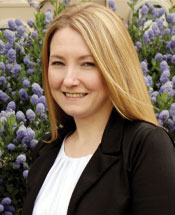 | 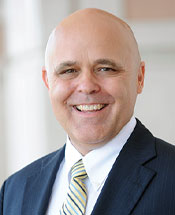 |
| 2026 NCAL Chair Sarah Silva | Past NCAL Chair Gerald Hamilton |
Giorgio said, “We need our legislators to understand the impact of budget cuts and changes to health care on our older adults, including those in assisted living.”
This is why thousands of assisted living providers have attended AHCA/NCAL’s annual Congressional Briefing over the past 25 years. Meeting with elected officials at the federal level is important, and through attendance at this event, assisted living providers access valuable resources and education—and meet with their representatives on Capitol Hill to advocate the profession’s priorities.
Here’s to the Future
NCAL may be celebrating its 25th anniversary, but the organization is just getting started. Silva said, “NCAL has shown that it can turn challenges into opportunities, and it will continue to do so moving forward.”
This includes, she said, studying demographics and anticipating the expectations of assisted living residents who are seeking services now and in the future. It also means helping these communities stay a step ahead and meeting the demands of older adults who want to remain active and engaged and have meaningful experiences, as well have their care needs fulfilled.
“We have the largest generation of seniors in history coming, and we have to be prepared for them. This is our greatest opportunity, and we are pleased to be working with NCAL on this,” said Silva.
Groff observed, “Increasingly, we need to be meeting elders where they are and determine how to anticipate and provide services older adults in this care setting will need tomorrow and in the future. We also need to help providers use AI and other technology.”
Hamilton added, “It will be more important to us as providers to get more involved with population health efforts and new networks and payer arrangements.” This presents opportunities for NCAL and its members.
A Lasting Legacy
“If you look at assisted living 25 years ago compared to today, we would not be where we are as an industry—not as advanced or sophisticated or tech savvy—without NCAL. This association has forever changed the footprint of what assisted living is and will be in this country,” said Silva.
 |  |
“The most important thing an association can do,” Giorgio said, “is listen to what their members tell them and what their lived experiences are, then represent that on a national level. NCAL has done that well and consistently since the start. It’s a sign of leadership if you can stay true to your message and respectfully listen to the other voices that are out there, then seek common ground. NCAL is a leader.”
NCAL and its leaders have always been visionaries, and that stands out. “NCAL has always focused not just on the present,” Hamilton said, “but on what [assisted living] providers see or would like to see in the next five, ten, or even twenty-five years. This is the launching pad for ideas, programs, and initiatives to be proactive in overcoming challenges and embracing opportunities.”
NCAL has been a steadfast presence alongside providers as they navigate the changes, challenges, and evolution of assisted living.
“The journey matters,” said Groff, “and NCAL has traveled with us, providing tools, resources, education, and advocacy that make a difference.”
Happy 25th anniversary, NCAL!
| NCAL Timeline |
| 1981 | The first assisted living community opens in Oregon. |
| 1995 | The National Center for Assisted Living (NCAL) is created. National Assisted Living Week® is established and celebrated every year beginning on Grandparent’s Day in September. |
| 1998 | NCAL publishes the first edition of the State-by-State Regulatory Review.
|
| 1998 | NCAL begins the NCAL State Leader Program. |
| 2001 | NCAL’s first bylaws are approved; recognized as the assisted living arm of AHCA’s membership. Jan Thayer is elected as first chair of the NCAL Board of Directors. |
| 2006 | The first annual NCAL Day is held as part of the AHCA/NCAL Annual Convention & Expo. |
| 2010 | NCAL begins the NCAL Awards Program. |
| 2012 | Assisted living is recognized as an official component of the AHCA/NCAL National Quality Award Program. |
| 2014 | NCAL develops Guiding Principles for Assisted Living. |
| 2015 | Assisted living is integrated into LTC (Long Term Care) Trend Tracker. |
| 2018 | Maine Veterans Home – Machias in Machias, Maine, and Sunrise of Gurnee, a Sunrise Senior Living community in Gurnee, Ill., become the first freestanding assisted living communities ever to attain the Gold Quality Award. |
| 2022 | NCAL establishes the Assisted Living Regulatory Resource Center. |
| 2024 | NCAL launches the Long-Term Care Data Cooperative for assisted living. |
Joanne Kaldy is a freelance writer and communications consultant based in New Orleans.