Looking Back: Top 10 Provider Articles of 2025
12/23/2025

As we close the books on 2025, the long term care landscape continues to evolve at a remarkable pace. This year brought both challenges and breakthroughs, from technological innovations transforming dementia care to pressing policy debates that will shape the future of our industry.
These top 10 articles represent more than just popular content—they reflect the questions you're asking, the challenges you're facing, and the future you're building.
1.
| 
|
AI continues to redefine health care, offering tools that address complex challenges with precision and scalability. Among its most promising applications is the use of AI companions in memory care.
|
2. |  |
The evolving industry looks to technology, training, wellness, and better communication to meet residents’ needs.
|
3. |  |
As providers grapple with new demands, one strategy gaining traction is the reconfiguration of skilled nursing facilities into spaces with less intensive staffing needs, such as assisted living facilities.
|
4. | 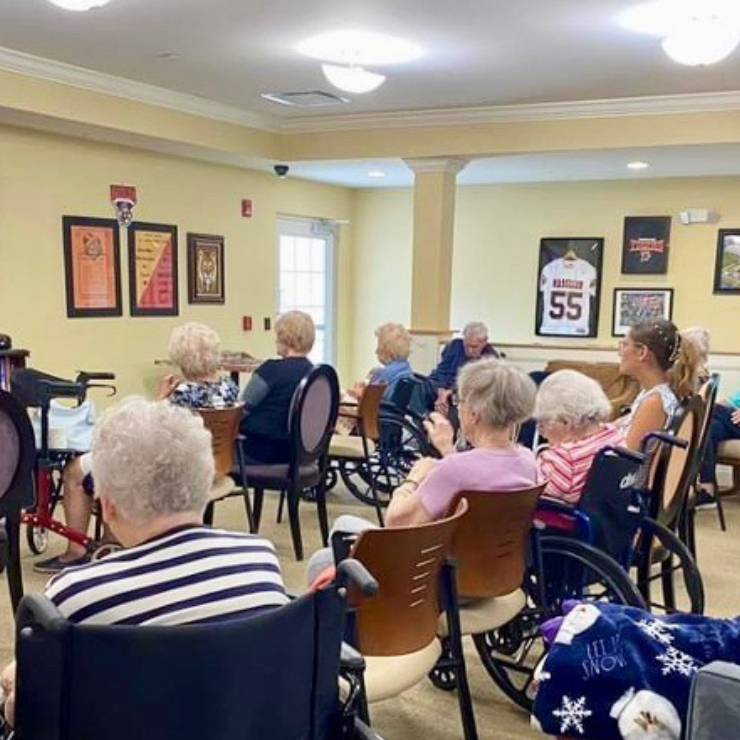 |
As senior living communities continue to seek meaningful ways to support their residents, both individualized music therapy and structured group-based programs offer complementary solutions.
|
5. |  |
When it seems that everything is changing—new regulations, different guidelines, unknown timetables—we naturally search for something that isn’t shifting. In the long term care sector, one thing that doesn’t change is our focus on delivering the highest quality of care for our residents.
|
6.
|  |
It is important that an organization have a formal compliance program as proactive and preventive; a structure to address issues; and as a mitigating factor should compliance violations be identified by regulatory agencies.
|
7. |  |
Addressing polypharmacy is not just a medical issue; it's a critical aspect of providing holistic, patient-centered care that respects the complexities of aging.
|
8. |  |
Common issues are incomplete or missing observations, inconsistent input across disciplines, or the lack of an interdisciplinary effort to determine usual performance. The QAPI process is an effective method for facility teams to identify and address the root causes of these issues.
|
9. |  |
Despite being the backbone of ID/DD care, Medicaid reimbursement rates often fall short of covering the actual cost of care, regardless of any future cuts.
|
10. | 
|
In the current health care environment, a skilled nursing facility needs the most advanced technology available.
|