 For years, the senior living industry referred to the silver tsunami as a distant force approaching the horizon. In 2026, that wave is no longer theoretical. The oldest Baby Boomers are now in their seventies, and the next cohort is approaching retirement with longer life expectancies, strong consumer expectations, and a clear vision for how they want to live.
Through conversations and research, we’ve noticed that senior living providers are shifting from cautious observation to decisive action. Across the country, organizations are moving away from a “wait and see” approach and are instead acting on strategic initiatives that strengthen market position, modernize assets, and align communities with the preferences of a new generation of residents.
A Return to Data-Driven Decision Making
A renewed emphasis on market intelligence is shaping investment decisions. After several years of capital restraint, providers are commissioning market studies and reassessing competitive positioning to understand future demand more clearly. Many now recognize that existing facilities may not meet the expectations of younger Boomers, whose housing, travel, and lifestyle choices have long been defined by customization and quality.
Property evaluations increasingly determine whether communities can be repositioned through renovation or expansion, or whether full redevelopment is necessary. Rather than delaying decisions, providers are using data to clarify risk, prioritize investments, and plan for long-term viability.
Independent Living Takes Center Stage
The market continues to tilt toward independent living. While higher-acuity services remain essential, Boomers are delaying entry into senior living until they desire lifestyle benefits rather than care support. This shift is intensifying demand for detached living options, particularly for middle-income seniors who currently remain underserved.
In higher-end markets, providers are investing in Active Adult Plus models that resemble resort-style communities while incorporating infrastructure to layer in home health services as residents age. At the same time, organizations are exploring creative development strategies that make middle-market housing financially feasible without sacrificing quality or dignity.
 Rising Expectations: Amenities as Lifestyle
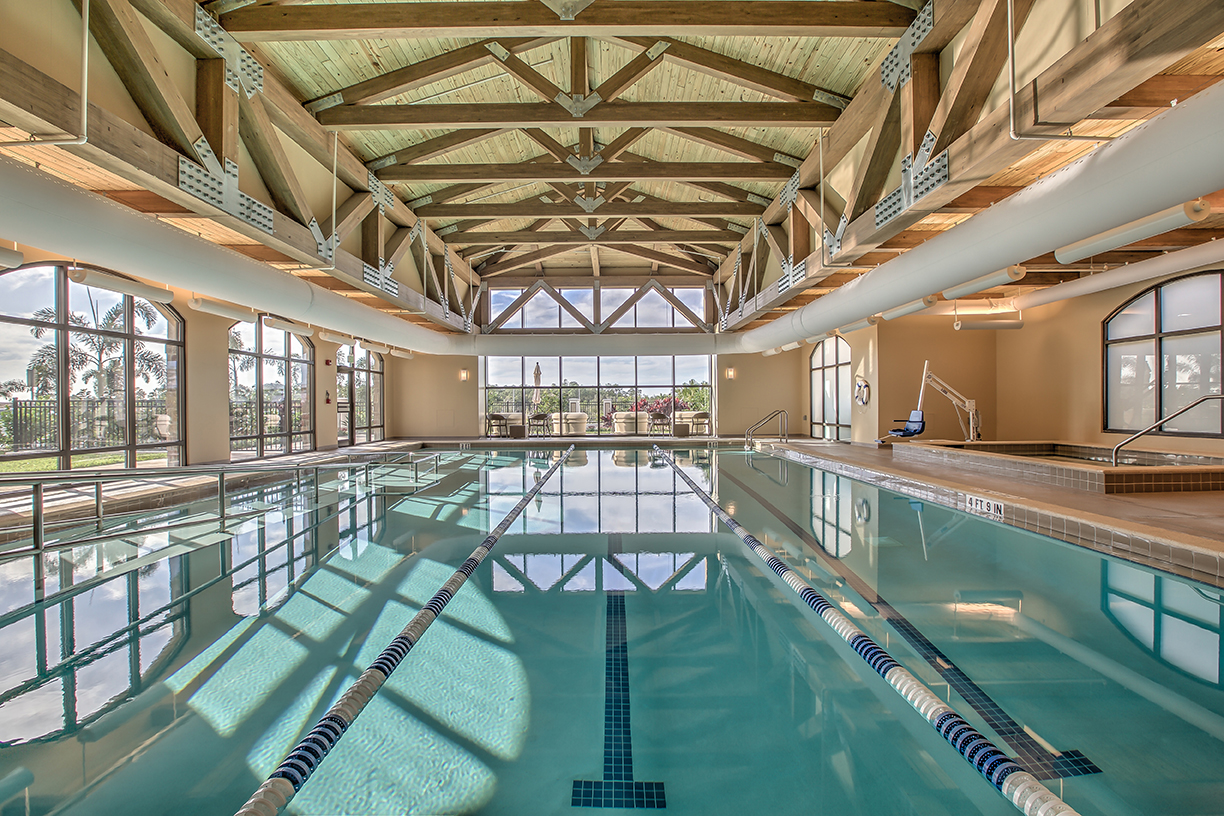
The incoming generation is not simply seeking housing; they are selecting a lifestyle. Communities designed for 2026 increasingly reflect hospitality driven environments rather than institutional models. Multiple dining venues, demonstration kitchens, wine storage, and high-quality recreational amenities are becoming standard features rather than premium upgrades.
Wellness has taken center stage. Traditional rehab gyms are giving way to holistic wellness centers that include hydrotherapy, yoga studios, strength training spaces, and outdoor meditation areas. These environments support vitality and well-being while reinforcing a lifestyle centered on health rather than physical decline.
The Shift Toward Micro-Campuses
Development patterns are evolving. New construction is trending away from isolated, sprawling campuses and toward integrated micro-campuses located within walkable urban or suburban town centers. Residents increasingly want to remain connected to the cultural energy and intergenerational activity they have long enjoyed.
Proximity to restaurants, arts venues, parks, and retail creates continuity rather than separation from community life. Partnerships with universities and cultural institutions are also expanding, offering access to lectures, performances, and lifelong learning opportunities that reinforce intellectual engagement and social connection.
Renovation Over Replacement
Economic pressures continue to shape development strategies. With interest rates and labor costs remaining elevated, renovations currently outpace new construction. Many providers are investing in targeted upgrades to lobbies, dining spaces, and common areas to modernize aesthetics and reposition their brand.
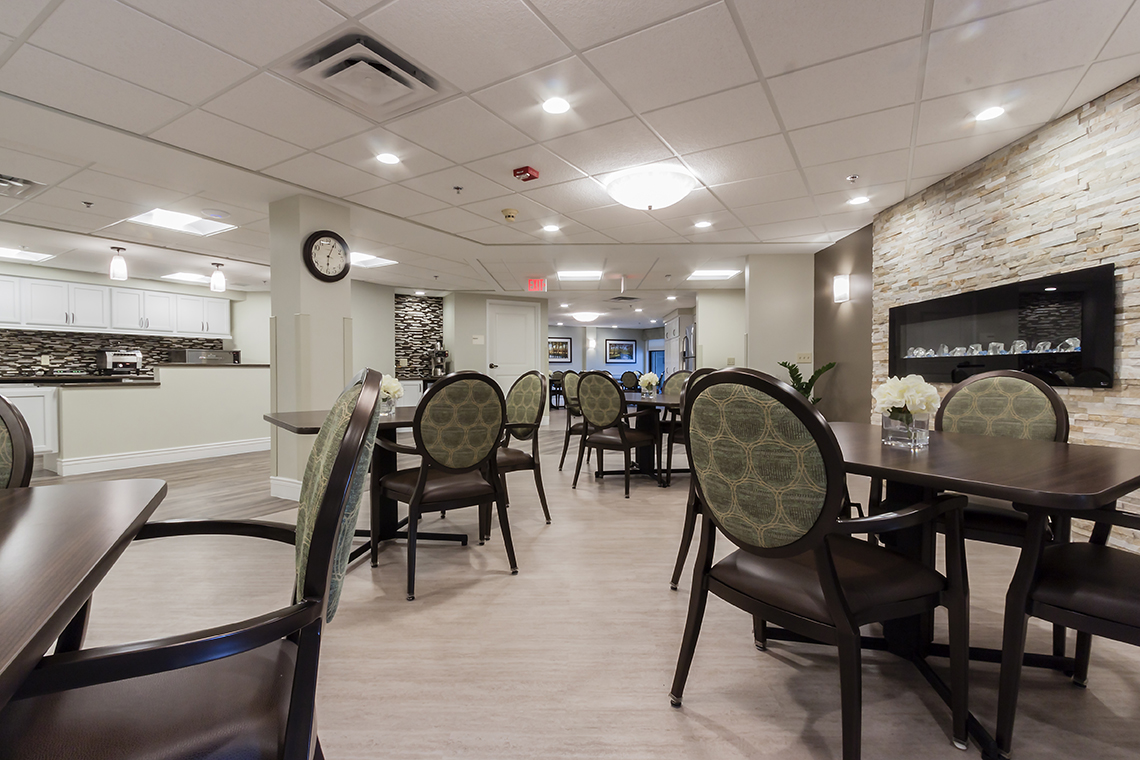 However, superficial updates are no longer sufficient. Renovations must reflect fundamental lifestyle expectations, including larger residences, flexible living spaces, and integrated smart-home features that support independence and convenience.
Mergers, Acquisitions, and Strategic Scale
Mergers and acquisitions are on the rise, but the emphasis has shifted toward quality rather than scale. Buyers are pursuing Class A properties and assets with strong value-add potential instead of distressed portfolios.
At the same time, smaller single-site nonprofit providers are increasingly affiliating with larger regional systems to gain access to capital and operational resources needed for modernization. This consolidation allows organizations to invest in infrastructure improvements and remain competitive in an evolving marketplace.
Designing for the Workforce
Workforce challenges are influencing design in new ways as well. In a tight labor market, the physical environment has become a recruitment and retention tool. New projects prioritize back-of-house functionality and aesthetics, incorporating ergonomic workspaces, efficient layouts that reduce caregiver fatigue, and staff break areas with natural light and outdoor access.
Some communities are introducing amenities such as on-site childcare, flexible scheduling support areas, and staff wellness spaces. When the built environment supports employee well-being and efficiency, providers gain a meaningful advantage in attracting and retaining talent.
Technology as Invisible Infrastructure
Boomers entering senior living in 2026 are the most technologically fluent generation to date, and seamless connectivity is now a baseline expectation. High-speed Wi-Fi throughout a campus is essential infrastructure.
Communities are also integrating unobtrusive technologies such as AI-driven fall detection, passive health monitoring, smart-home controls, and circadian rhythm lighting systems. These innovations enhance safety and comfort while remaining largely invisible, allowing environments to feel residential rather than clinical.
Meeting the Moment
Taken together, these trends signal a decisive shift in industry posture. The senior living sector is moving from defensive positioning toward proactive growth and reinvention. While new construction remains expensive, the increase in property evaluations and renovation initiatives indicates that providers are no longer ignoring aging facilities or outdated models.
 The resident emerging in 2026 does not view senior living as a last resort. Instead, it is a carefully chosen lifestyle emphasizing independence, wellness, connectivity, and meaningful engagement. Communities that align with these expectations will not merely absorb the coming wave of demand; they will help influence and define the future of aging.
The silver tsunami is no longer approaching. It has arrived. The defining question for providers now is whether they are prepared to meet this moment with environments, services, and strategies designed for a generation that is redefining what it means to be a senior adult in America.
 Mike Edwin is a senior consultant – senior living and religious markets with Hoffman Planning, Design & Construction, Inc. He can be reached at medwin@hoffman.net.
Julie Heiberger is a senior project architect and the senior living market leader for Hoffman Planning, Design & Construction, Inc. She is a member of the American Institute of Architects, the National Council of Architectural Review Boards, and the Board of Directors of the Society for the Advancement of Gerontological Environments. She can be reached at jheiberger@hoffman.net.