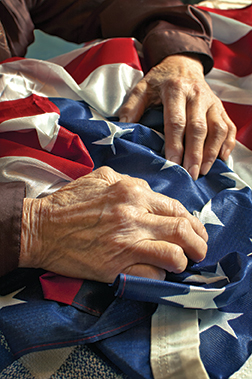
 Veterans bring a lifetime of service, pride, and resilience with them when they enter long term and post-acute care. Care teams have a unique opportunity to honor that legacy by helping veterans connect with the services they’ve earned, find camaraderie with fellow veterans, and live each day with a strong sense of purpose and good quality of life.
Numbers Speak Loud and Clear
According to the U.S. Census Bureau, 8.1 million (49 percent) of U.S. veterans are 65 years old and older. One in four is 70 to 79 years old, and 3 in 4 are at least age 50. Currently, the majority are veterans of the Vietnam War. Most older veterans are men and likely to live with a spouse, but there is a growing female population among vets. The U.S. Census Bureau also reports, “Older veterans are distinctive from the rest of the older population in that they are more likely to be White and less likely to be foreign-born or speak another language at home besides English.”
The latest official data (from 2021) shows that only 1.4 percent of older veterans live in a nursing home, the most common type of group living situation for this population. However, as over 40 percent of older veterans have some type of disability and over 20 percent have two or more disabilities, a growing number of older vets likely require some type of service and support.
A Strong Identity
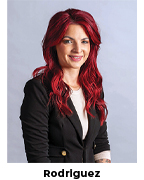
 When veterans enter a long term care setting, they bring with them an identity that is deeply tied to their military service. Ashlea Rodriguez, military and veteran services manager at Bellevue University and an Air Force veteran, noted that most veterans identify strongly with their service, and transitioning out of the military and/or taking on a new role as a caregiver or long term care facility resident can be overwhelming. “They have the sense of ‘I can’t do what I used to’ or ‘I can’t remember what I used to. I don’t know who I am in this version of my life,’’’ she said.
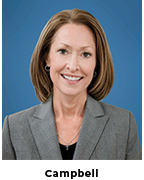
Leslie Cunningham Campbell, chief operating officer at Touchstone Communities, said, “Being a veteran is a big part of their identity as a person. We need to understand how important this is and enable them to embrace it, celebrate it, and share with veterans who understand because they’ve lived it too.” She stressed, “Being a veteran isn’t just something they did; it is woven into the fabric of their identity.”
Like a Scavenger Hunt
Rodriguez said, “Veterans don’t usually walk through our door saying, ‘Here’s my entire story,’ and it’s neatly organized. Oftentimes, as they’re going through something medical, they have a number of questions and issues—transportation challenges, lack of family support, etc.” They may hesitate to ask for help or lack the trust to open up about their concerns or questions.
Marlies Sarrett, NHA, RN, administrator of Baldomero Lopez State Veterans’ Nursing Home, said, “Many veterans are aware of their benefits and maximize their usage. They will go to the veterans’ hospital. They will use the pharmacy, go to the clinic, and make use of the dental and other services they qualify for.” However, she said, “some veterans are unaware of their benefits.” In these cases, they value assistance in navigating the system and applying for and accessing the benefits they need.
 In fact, the challenges of accessing services can feel significant for some veterans. For those with physical disabilities, getting to appointments can be daunting and nearly impossible. Even simple tasks such as grocery shopping can be difficult. For those with brain injuries or mental health or addiction issues, the challenges of managing daily life can be amplified. Services such as online grocery delivery and telehealth visits can help individuals who have limited mobility, lack transportation, or feel overwhelmed by the idea of going to the store, doctor’s office, or other public place.
Rodriguez stressed, “No single organization can do everything, and veterans usually have to navigate a maze of different services.” They need help identifying their options and determining where they can get the services and support they need. She said, “Having a support specialist makes their journey easier and helps ensure each veteran gets person-centered, holistic care.”
It is valuable, said Rodriguez, to have a referral program for veterans. She explained, “This says, ‘I know who you are. I see you. Whether you’re having a great experience or a bad one, I’m here to listen to you. What do you need right now in this moment to be a little bit better version of yourself?’”
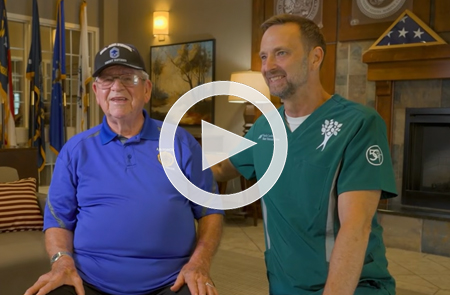 |
| #DeliveringSolutions26 Perspectives: Heroes Caring For Heroes |
Veteran to Veteran
As a veteran herself, Rodriguez has a connection with veterans, even if they served in different places and many years apart. “I’ve talked to veterans in their 80s, and they were based in Okinawa many years before I was, but we still share this bond, and this helps move the conversation forward. We can talk more freely about who they are, what their interests are, and what concerns they have.”
She added, “It’s not just about regaining their strength and taking medication; those are just components of having a peaceful, rested mind. We can help them step back from their health issues and be proud of who they are.”
Campbell said, “Our veterans will share experiences amongst one another. They will talk about their injuries, their experiences, their memories. When we bring this group of men and women together, it’s amazing what happens. We see them open up, and we get a greater awareness of their care needs—not just their medical care needs but their spiritual and psychosocial needs, as well.”
Sherrel Charlot, MBA, LNFA, regional vice president of operations and licensed nursing home administrator at Touchstone Communities, is a retired Army veteran who served 20 years and was deployed to Iraq. “One of the most rewarding roles is listening to veterans’ stories, learning and talking about their careers and experiences,” she shared. “I can connect with them on a personal level, and I gain their trust.”
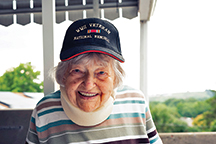 Charlot’s experience as a veteran gives her special insight. “Because I was deployed and served in conflicts, I have a firsthand knowledge of their experiences. I understand their sudden mood changes and the triggers for PTSD [post-traumatic stress disorder]. When veterans share their experiences, I understand their language, culture, and perspective. This allows me to connect with them on a deeper level and respond in a way that is meaningful, relatable, and reassuring.”
Her ability to connect with veterans enables her to better assist care team members and help ensure that veterans get the person-centered care they want and need. “For me, this work is more than a profession,” Charlot said. “It’s a calling. There is no greater responsibility than caring for those who once stood watch for all of us. Their legacy inspires me. These veterans paved the way for me, and I still learn from them every day. I am committed to serve them, making lives better, and it’s a blessing.”
Understanding Special Needs
“When you’re in the military, talk and mannerisms, even in the medical field, can be very aggressive. You learn when you have to be quiet, when to speak up, and when you’re correct,” Rodriguez said. She noted that people who served in the military can shut down if they are pushed to talk about their feelings or answer uncomfortable questions. But they also have a high burden of chronic disease and pain.
“Veterans are a proud and humble group. They rarely ask for pain medication,” said Campbell. In addition to asking them about pain, care teams should be trained to observe them for signs of discomfort—grimacing, flinching when touched, moaning, limping, etc.
Sarrett at Baldomero Lopez State Veterans’ Nursing Home said, “There is a large number of veterans with dementia, and we need to understand that their experiences in the military contribute to their behavioral expressions and triggers.”
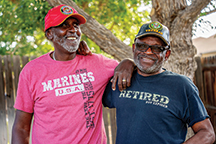 They will have moments of clarity, then agitation driven by feelings of guilt and shame. They may have nightmares or suddenly share memories they never talk about. She said, “It’s important to have knowledgeable, trained staff who can recognize and de-escalate situations.” Sarrett added that these residents need a place where they feel safe and secure.
Sophie Clark, MD, assistant professor of internal medicine and geriatric medicine at the University of Colorado School of Medicine and a medical director, said, “Agitation with dementia is common. We need to try to think about what the underlying cause is. For example, we had a new resident, a veteran with severe PTSD, who came into the dementia unit. There was military paraphernalia on the wall, and that agitated him. We need to be aware of what might trigger veterans, including elements of their surroundings.”
Approximately 7 percent of U.S. veterans experience PTSD, although the rate is nearly twice as high for female veterans. Among veterans serving in post-9/11 conflicts, about 20 percent meet clinical criteria for combat-related PTSD, so facilities need to be prepared to provide care for this and other mental health and psychiatric conditions.
Sarrett said, “The care team needs to be cognizant of what PTSD is and the possible triggers for each individual. Things that may not be a big deal for most people—such as unexpected noises or a movie playing on TV—might be incredibly traumatizing for veterans. Staff need to understand this.”
Clark observed, “The burden of mental health is higher than in the general population. They need robust psychiatric services.”
The Department of Veterans Affairs (VA) offers excellent mental health services, she noted, including support groups. “Some of my veterans have really benefited from these groups,” Clark explained. “Sometimes they are more comfortable working with other vets.”
Passing the Torch to New Generations
While they share much with each other, not all veterans are alike, and the younger generations of veterans are different from their older counterparts. Older vets have traditionally found connections through such organizations as the Veterans of Foreign Wars and American Legion, while these organizations don’t resonate as much with younger veterans. And, Rodriguez specified, “among younger veterans, we see more women.”
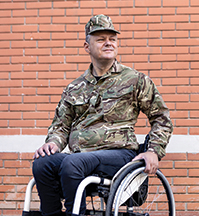 Some organizations focus on serving specific veteran groups. For instance, Rodriguez pointed to the Nebraska Vietnam Veterans Memorial Foundation, which has the Share Your Story project to enable these vets to open up and connect with others. “This isn’t meant to reopen old wounds but to capture a history that needs to be preserved,” she said.
It is important to note that veterans across generations also have much in common, including similar stories and circumstances. They can connect through support groups and peer mentor arrangements.
Evolving Effort
Care for veterans continues to evolve with innovative programs and a growing focus on holistic and age-friendly care.
- Trends gaining momentum include:
- Peer mentorship networks
- Long-term mental health care for PTSD and brain injuries
- In-house dialysis
- Housing and support for homeless veterans
- Private rooms and baths
As about 22 percent of veterans smoke, about twice the rate of the general population, smoking cessation programs are a useful service. However, many care facilities have a designated area that is comfortable and welcoming for residents who want to smoke.
Some innovative programs connect with veterans in unique ways. Among them, Nebraska-based Hero’s Encore offers a free music program for veterans, transitioning service members, and first responders. It helps participants address issues such as PTSD and loss of identity through skill building, creative expression, and public performances. In brief, the program teaches individuals to play guitar and encourages them to play, as well as write and perform songs.
However, the impact is much greater. As Rodriguez said, “It provides a positive outlet for their feelings. They’re learning a new skill and have a chance to express themselves through song.”
 Journaling is a popular concept, and songwriting is a powerful alternative for those who are more comfortable sharing feelings in lyrics rather than in a journal. At the same time, “veterans are creating something they’re proud of,” Rodriguez said, “and that connects them with others.”
The Touchstones Discussion Project (not part of Touchstone Communities) offers a veteran-led program called Completing the Odyssey: A Journey Home. In these exercises, participants use readings from Homer’s The Odyssey and other writings (including some by veterans) to discuss themes of service, homecoming, and personal journeys.
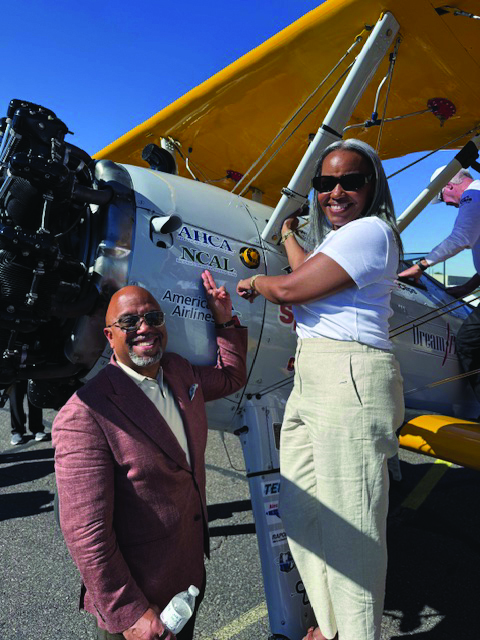 Dream Flights, a nonprofit that offers rides in a World War II-era biplane to senior military veterans, is a unique and powerful initiative. “They go across the country and take veterans up in these planes,” Campbell said. “They absolutely love it! It is so exciting to fly in an open-air cockpit, wearing old-fashioned leather helmets.”
 Another powerful program honors deceased veterans. Melissa Brown, vice president of sales and marketing at Touchstone Communities, explained, “We have a special way of honoring veterans who pass away in our communities. It involves a moment of honor in which the entire community participates. Everyone goes out into the hall, holds hands, and prays, and they salute as the individual is moved down the hall. It’s very compelling and incredibly impactful. We call it ‘the final salute.’”
Some activities are simple but productive. For instance, Campbell talked about men’s groups. “It’s beer and snacks and reminiscing about old stories. It’s about camaraderie and connections,” she said. The gathering reinforces the group members’ identities as service members.
An Honor to Serve
Consistent staffing with people who know and respect veterans is key. “We have veteran neighborhoods in our communities with caregivers who know them well and truly care about them,” Brown said. The communities promote camaraderie in various ways, for example by providing hats donned with “Touchstone Veterans.”
Brown added, “We also have a wall of honor with their photos on them, and we have a true culture of veterans care.”
Campbell noted, “It extends beyond any payer source, it extends beyond any physical location, but it’s all inclusive across the spectrum of care. We are elevating and empowering veterans on a daily basis. We believe it is an honor and a privilege to care for them.”
Joanne Kaldy is a freelance writer and communications consultant based in New Orleans.
