If you want to understand where skilled nursing is headed, spend a day in skilled nursing admissions.
Behind every referral is a person whose health care journey is continuing, not ending. Families are making some of the most difficult decisions of their lives. Hospital case managers are coordinating increasingly complex transitions. Skilled nursing teams are preparing to care for patients whose needs continue to evolve.
Working in admissions provides a unique perspective because we witness these moments every day. We stand at the intersection of hospitals, patients, families, and post-acute care. From that vantage point, one thing has become increasingly clear to me.
Health care isn’t changing. Health care has already changed.
Today’s skilled nursing patient is very different from the one we cared for just a decade ago. Advances in medicine have allowed people to survive illnesses, injuries, and complex medical conditions that once carried very different outcomes. Hospitals are providing life-saving care more efficiently than ever before, which means patients are transitioning to skilled nursing earlier in their recovery and with greater medical complexity.
That isn’t something to fear. It’s something to embrace.
The role of skilled nursing has expanded alongside these advances. We are caring for patients with sophisticated clinical needs, advanced wound care, IV therapies, respiratory conditions, multiple chronic illnesses, and intensive rehabilitation goals. These patients require highly skilled clinicians, strong interdisciplinary collaboration, and seamless coordination with our hospital partners.
To me, that’s not evidence that skilled nursing is under pressure. It’s evidence that skilled nursing has become an even more essential part of the health care continuum.
Admissions have evolved as well.
Many people think admissions is simply about filling beds. Those of us who do this work know it’s much more than that. Every day, admissions professionals collaborate with physicians, nurses, therapists, discharge planners, and case managers to determine whether we can safely meet a patient’s needs. We help families understand what comes next. We identify barriers before they become obstacles and work alongside our clinical teams to create safe, thoughtful transitions.
The work begins long before a patient ever arrives at our front door.
Families have evolved, too.
Today’s families are informed, engaged, and invested in every decision affecting their loved one’s care. They research facilities, review quality ratings, and ask thoughtful questions about treatment, rehabilitation, and outcomes. While these conversations may require more time, they also create opportunities to build trust. When families feel heard, respected, and included, they become valuable partners in the recovery process.
Perhaps the greatest lesson admissions have taught me is that health care has always been, and always will be, a team effort.
Successful transitions don’t happen because one person worked harder than another. They happen because hospitals, skilled nursing facilities, physicians, nurses, therapists, case managers, admissions professionals, patients, and families all work toward the same goal: helping someone recover safely and with dignity.
That collaboration has never been more important.
Like every generation before us, health care professionals are being asked to adapt. New technology, new treatments, evolving patient populations, and higher expectations are all part of the profession we chose. Rather than asking how we can return to the way things once were, perhaps we should ask a better question:
How do we continue becoming the providers our patients need us to be?
For me, the answer begins with embracing change.
It means investing in our people, strengthening our clinical teams, deepening partnerships with hospitals, listening to families, and recognizing that adaptability has always been one of health care’s greatest strengths.
 Despite the challenges our profession faces, I believe this is one of the most exciting times to work in skilled nursing.
Every day, we care for patients whose recovery depends on the strength of the partnerships we build and the expertise we bring to their care. Every day, we have the opportunity to demonstrate why skilled nursing remains an indispensable part of our health care system.
The next chapter of skilled nursing is not defined by the challenges before us. It is defined by how we choose to meet them. And from where I sit, the future is one worth embracing.
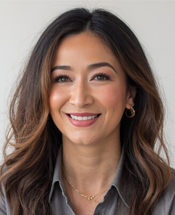
Maritza Kritz is the director of hospital admissions and marketing at PACS Healthcare in Portland, Oregon. She brings more than 15 years of health care experience, with a background in social services, behavioral health, hospital admissions, and post-acute care. She serves as chair of the Oregon Public Health Association Awards Committee, is a volunteer commissioner on the Portland New Portlanders Policy Commission, and serves on the Metro Affordable Housing Bond Community Oversight Committee.
Provider magazine includes information from a variety of sources, such as contributing experts. The views expressed by external contributors do not necessarily reflect the views of Provider magazine and AHCA/NCAL. Learn how to submit an article.