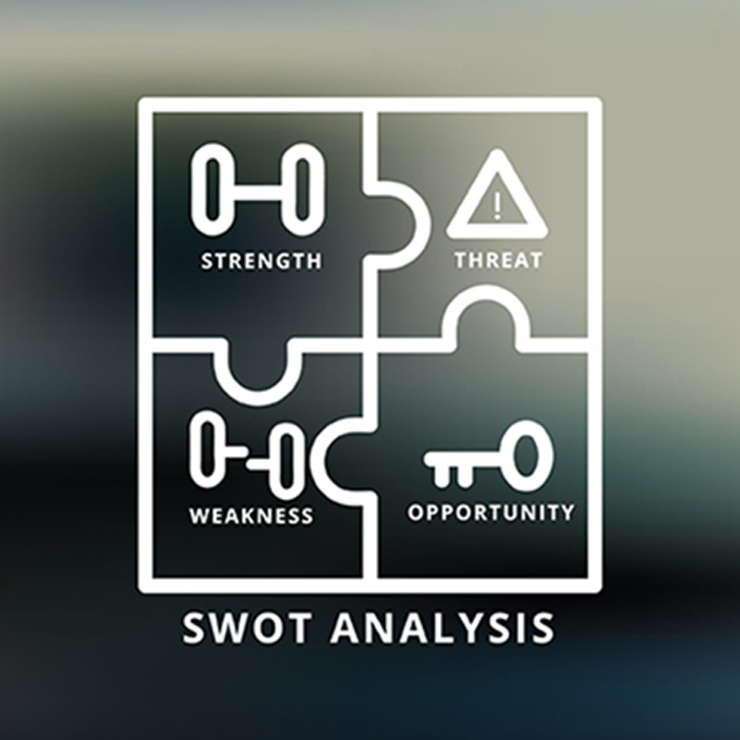
 Years ago, when I first began my career as a long term administrator, one of my close friends and mentor taught me the importance of strategic planning. He told me that each time he accepted a new administrator position, one of the first things he did was conduct a SWOT analysis. He felt this was important in getting a current, accurate, and clear picture of the facility in establishing direction and focus for his facility. This was a very valuable business lesson that can be applied in any organization including long term care.
As I began using this process myself, I came to understand more fully why he used it. The process is transparent and gives clarity to many aspects of your facility position and operation. I found that what my friend and mentor taught me was true and useful.
SWOT as First Step in Strategic Planning
There has been much that has been written about conducting a SWOT Analysis. Even though this information has been written about in depth, I have always followed basic business principles and practices that I learned about in college, training, and experience. In my opinion, conducting a SWOT analysis is the first step in strategic planning. This process begins to lay out your road map in setting direction for your facility. This SWOT analysis provides a basis for establishing operating goals, budgets (operating and capital) and in meeting and forming key performance indicators (KPI).
I have included below a sample of a SWOT analysis that I conducted a few years ago with my management team as a reference.
Conducting a SWOT Analysis
With all this in mind, let’s take a closer look at what a SWOT Analysis would look like. SWOT is an acronym for strengths, weaknesses, opportunities, and threats. It’s a basic business tool used for strategic planning and to identify your facility’s strengths, weaknesses, threats, and opportunities. It helps your management team see your facility as it truly is—its capabilities, vulnerabilities, and opportunities—so decisions become more focused, more defensible, and more aligned with resident needs and regulatory expectations. The benefits would include, but are not limited to some of the following areas:
- It strengthens regulatory and survey readiness.
- It provides for better and more focused operational decisions.
- It improves quality of care and resident outcomes.
- It enhances workforce stability and competency.
- It supports financial sustainability and viability.
- It clarifies your competitive position.
- It aligns your management team, staff, and stakeholders (residents and family members).
- It drives a more focused strategic plan.
- It integrates with your QAPI and facility assessment.
- It helps your management team anticipate future challenges.
- It identifies future capital improvement needs, new programs, or services.
- It gives you the clarity and current position of your facility to do more effective planning.
1. Assemble the Right Interdisciplinary Team
A SWOT analysis only works when you have your full management team present. This will ensure a broad perspective by your entire team, reflect the realities of your facility, and allow everyone to participate and have input. It will also be transparent and build trust with your team. They include:
- Administrator
- Director of Nursing
- MDS Coordinator
- Infection Preventionist
- Assistant Director of Nursing
- Staff Development Coordinator
- Human Resources Manager
- Rehab Director
- Activities Director
- Business Office Manager
- Admissions Director
- Social Services
- Dietary Manager
- Environmental Services (Housekeeping, Maintenance, and Laundry Supervisors)
- Medical Director (if available)
- QAPI Coordinator
2. Gather Objective Data Before the Meeting
A SWOT analysis should be based in facts, not opinions. This gives your SWOT analysis more credibility. There are numerous documents, reports, etc. that you will want to obtain ahead of time and use as a resource when you are analyzing various aspects of your facility operation. These documents include, but are not limited to the following items:
- Survey history (deficiencies, trends, repeat tags)
- Quality Measures and Five Star ratings
- Staffing data (turnover, agency use, RN coverage)
- Clinical outcomes (falls, pressure injuries, infections, rehospitalizations)
- Financial reports (payer mix, revenue trends, cost pressures)
- Facility Assessment (42 CFR §483.70(e))
- Competitor analysis (local SNFs, hospital partnerships, specialty programs)
- Market trends (acuity changes, managed care penetration)
- Previous strategic plans and operating goals
3. Identify Strengths
In looking at your strengths, focus on internal capabilities that give your facility an advantage. What do you do really well? It’s important to look at all areas of your facility that are perceived as strengths by your team. Ask: What do we do better than others? What are our proven competencies? Some examples include:
- Strong infection control program
- High therapy outcomes
- Stable leadership team
- Low turnover in key departments
- Strong hospital relationships
- High resident/family satisfaction
4. Identify Weaknesses
These are internal vulnerabilities or operational areas that hinder or are limiting the facility’s performance or compliance. Ask: Where do we struggle? What repeatedly causes problems? Ultimately, your goal should be to focus on converting any identified weaknesses into strengths. Examples include, but are not limited to the following areas:
- High employee turnover
- Overreliance on agency
- Gaps in staff competencies
- Poor communication and teamwork between departments
- Aging equipment or limited technology
- Low census or occupancy
- Cost control
- Poor quality of care outcomes
- History of poor regulatory compliance
5. Identify Opportunities
These are external factors the facility can leverage or capitalize on. Again, ask questions about what external trends could benefit our facility? Some examples include:
- New hospital partnerships or managed care contracts
- Growing need for short term rehabilitation
- Behavioral health program expansion
- Telehealth reimbursement
- Community outreach programs
- Grants or funding opportunities
6. Identify Threats
These are external risks that could negatively impact the facility. Ask: What external forces could harm us if we don’t prepare? A few examples include:
- Competitors adding specialty programs
- CMS reimbursement changes
- Workforce shortages
- Litigation trends
- Increasing resident acuity
- Regulatory changes
- New competitor facility being built
7. Prioritize the Findings
Not all SWOT items matter equally. Rank each item by:
- Impact (high, medium, low)
- Urgency
- Feasibility
This prevents the strategic plan from becoming bloated or unfocused.
8. Convert SWOT Analysis Into Actionable Strategies
Formulating your analysis into actionable strategies is a crucial aspect of this process. This strategy action plan should be specific and identify who will do what and by when. Progress should be periodically reviewed and action plans updated or revised if necessary to ensure your team is focused on following through on specific assignments. This also builds accountability into your plan.
Some examples may include the following:
Strength Strategy
Strong therapy outcomes - Market to hospitals for short term rehab referrals.
Weakness Strategy
High CNA turnover - Implement retention incentives and mentorship programs.
Opportunity Strategy
Growing behavioral health needs - Develop a specialized dementia/behavioral unit.
Threat Strategy
Competitor expansion - Strengthen community outreach, employee recruitment and retention, and referral relationships.
9. Integrate SWOT into QAPI and the Facility Assessment
A skilled nursing facility’s strategic plan must align with:
- QAPI performance improvement projects (PIPs)
- Annual facility-wide assessment
- Emergency preparedness plan
- Budgeting and staffing plans
This ensures the SWOT analysis becomes part of ongoing facility operational improvement, not a one time exercise, and is linked to these other programs or processes.
10. Review and Update Annually
A SWOT analysis should be revisited:
- Annually
- After major regulatory changes or survey findings
- After poor clinical outcomes
- When launching new service lines
- When employee turnover and agency use continue to increase
This is not a complete list and only provides a few examples when you should be updating or revising your plan. This keeps the strategic plan responsive, current, and relevant.
Going forward, I would highly recommend that any health care administrator embrace this process and make it part of your strategic planning process. In some cases, I would take my entire management team off campus to a location where there are no distractions or interruptions. This exercise will help give you, your management team, and the facility the necessary direction needed to succeed.
 Mark Trangsrud is a retired skilled nursing home administrator with experience in for-profit, nonprofit, and public sector settings, rural and metropolitan markets, and in various size facilities. He has practiced for over 41 years and has been licensed in 8 different states as a nursing home administrator as well as serving on the South Dakota and Colorado Health Care Association Boards. He can be reached at Metrangsrud57@msn.com.
Provider magazine includes information from a variety of sources, such as contributing experts. The views expressed by external contributors do not necessarily reflect the views of Provider magazine and AHCA/NCAL. Learn how to submit an article.